3 Practical Waste Sorting Tips From a Trash Pickup Company
Proper waste sorting at home is a foundational step in keeping recycling systems efficient and reducing unnecessary landfill use. Many households want to do the right thing but struggle with sorting consistency and changing guidelines. When waste streams are properly separated, materials are more likely to be processed correctly and reused.
A reliable trash pickup company often sees firsthand how small sorting mistakes at the household level can affect entire collection loads. These patterns reveal that better education and simple routines can significantly improve recycling outcomes and reduce contamination.
1. Improve Household Sorting Habits at the Source
Understanding Common Sorting Mistakes at Home
One of the most persistent challenges in household waste management is confusion about what belongs in recycling versus trash. Items that look recyclable are often placed in the wrong container, especially when labeling is unclear or habits are inconsistent. Over time, these small errors accumulate and create inefficiencies in the broader waste stream.
According to The Recycling Partnership, approximately 76% of recyclable materials generated in homes are incorrectly placed in trash bins and ultimately lost from the recycling stream. This widespread misplacement shows how frequently recyclable value is discarded due to uncertainty or assumptions about what is accepted. Trash pickup companies frequently encounter this issue during routine collection routes, where contamination can lead to entire loads being downgraded.
The most common mistakes include mixing food-contaminated containers with clean recyclables and placing non-recyclable plastics into recycling bins. These errors are often not intentional but stem from unclear guidance or rushed disposal habits. When households understand these distinctions more clearly, sorting accuracy improves significantly.
Creating a Consistent Kitchen Sorting System
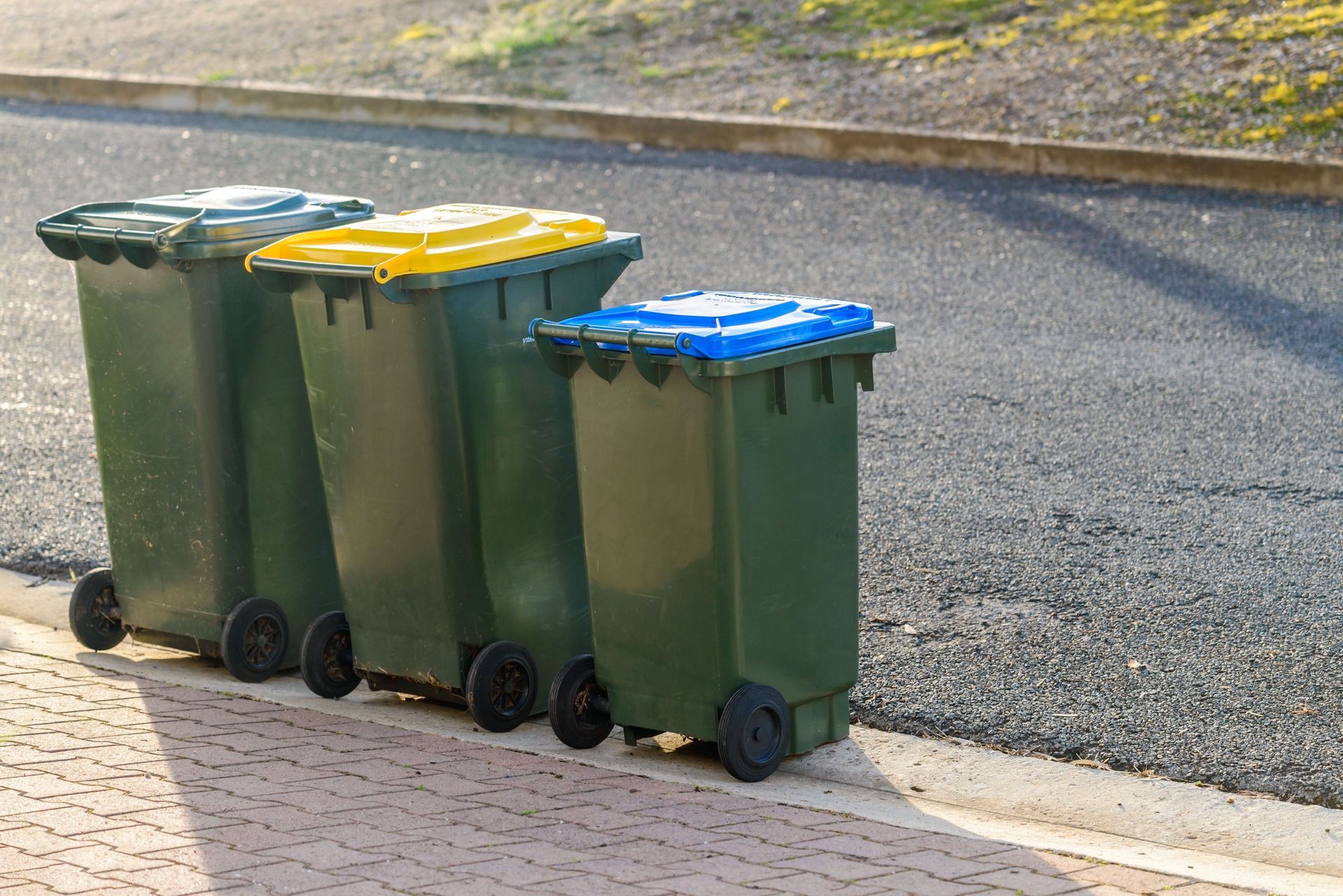
A structured approach inside the home can dramatically improve sorting behavior. Many households find success by establishing dedicated bins for recyclables, general waste, and compost materials in one central location, such as the kitchen. This reduces uncertainty during disposal and encourages consistent habits over time.
Labeling bins clearly and keeping instructions visible can also reinforce correct decisions. Visual cues are especially helpful for households with multiple residents, where shared understanding is necessary for consistency. A trash pickup company often recommends placing reminder labels directly on bins to reduce confusion during daily use.
Consistency is more important than complexity. Even a simple three-bin system can significantly reduce sorting errors when used correctly. The goal is to make the correct choice the easiest choice during routine disposal.
Building Awareness of Local Recycling Rules
Recycling rules vary by municipality, which means households cannot rely on generalized assumptions. What is accepted in one region may be rejected in another, especially when it comes to plastics, paper grades, and glass handling requirements.
Staying informed about local guidelines helps ensure that materials placed in recycling bins are actually processed rather than discarded later. This awareness reduces contamination and improves efficiency across the entire collection system. Trash pickup companies often provide updated guidelines to help households adjust to periodic changes in accepted materials.
Regularly reviewing accepted and non-accepted items ensures that recycling efforts remain effective. When households align their habits with local standards, the entire waste system operates more smoothly and with less material loss.
2. Prioritize Recycling and Waste Separation Practices
Separating Recyclables Before They Enter the Bin
Effective waste sorting begins before items reach the bin. Rinsing containers, flattening cardboard, and removing obvious contaminants are simple steps that improve recycling quality. These small actions help ensure that materials remain usable when they reach processing facilities.
When recyclables are sorted properly, they are less likely to be rejected downstream. A trash pickup company often observes that loads with cleaner material require less manual sorting and are more likely to be successfully processed. This benefits both collection efficiency and environmental outcomes.
Households that take a few extra seconds during disposal tend to generate significantly less contamination. Over time, these habits become automatic and reduce the need for corrective action later in the recycling chain.
Handling Contaminated Materials Properly
Contamination is one of the leading causes of recycling inefficiency. Items that are soiled with food, grease, or non-recyclable substances can compromise otherwise clean recyclables when mixed. This creates challenges for sorting facilities and reduces the overall recovery rate.
In some cases, contaminated items must be removed entirely and diverted to waste processing instead of recycling. This is a major reason why careful separation at home is so important. A trash pickup company frequently emphasizes that one contaminated item can affect an entire batch of recyclables.
Understanding when an item is too contaminated to recycle helps households make better decisions. If cleaning is not feasible, placing the item in general waste is often the more responsible option.
Reducing Wishful Recycling Behaviors
Wishful recycling occurs when individuals place items in recycling bins hoping they are accepted, even when they are unsure. This is often done with good intent, but it leads to increased contamination rates and processing inefficiencies.
Clear knowledge of accepted materials helps reduce this practice. When households are confident about guidelines, they are less likely to guess or assume recyclability. Over time, this improves the overall integrity of collected materials.
A trash pickup company often identifies wishful recycling as a recurring issue, particularly with mixed-material packaging or specialty plastics. Addressing this behavior requires both education and simplified household sorting systems that reduce ambiguity.
3. Leverage Professional Waste Collection for Better Outcomes
How a Sanitation Company Educates Households
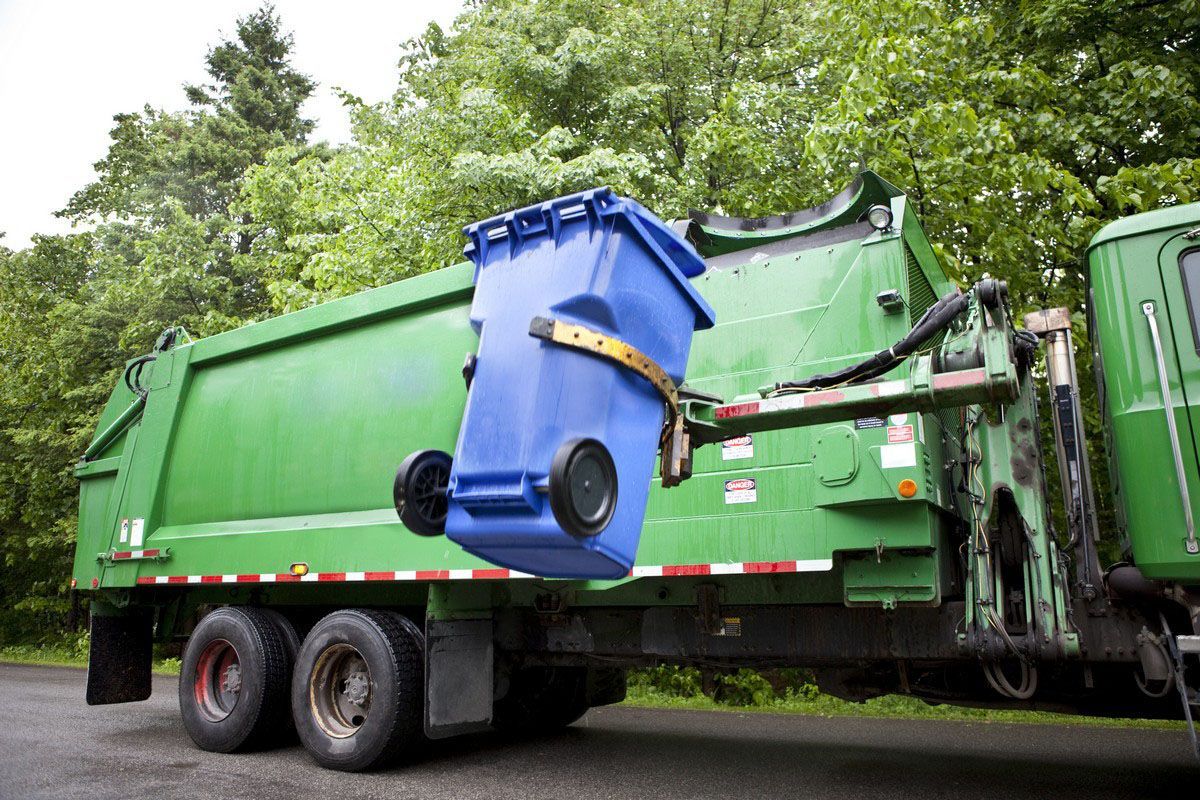
Professional waste collectors play an important role in reinforcing proper sorting habits. Through routine service interactions, they often observe patterns of common mistakes and offer guidance to help households improve. This feedback loop strengthens community-wide recycling performance.
A trash pickup company may also provide printed or verbal reminders about acceptable materials and seasonal updates to recycling rules. These communications help bridge the gap between policy changes and household behavior, ensuring that residents remain informed.
Over time, this guidance supports better decision-making at the source. When households understand what collectors need to process materials effectively, sorting becomes more accurate and consistent.
Scheduling and Service Options That Support Sorting
Flexible waste collection services can also support better sorting habits. Options such as curbside pickup, yard service, and scheduled collection intervals allow households to manage waste in a way that fits their routines. This reduces buildup and encourages more organized separation practices.
When pickup schedules are consistent, households are more likely to maintain orderly sorting systems. Irregular collection often leads to rushed disposal decisions, which increases the likelihood of mistakes. A trash pickup company that offers predictable service timing helps reinforce better habits through structure and routine.
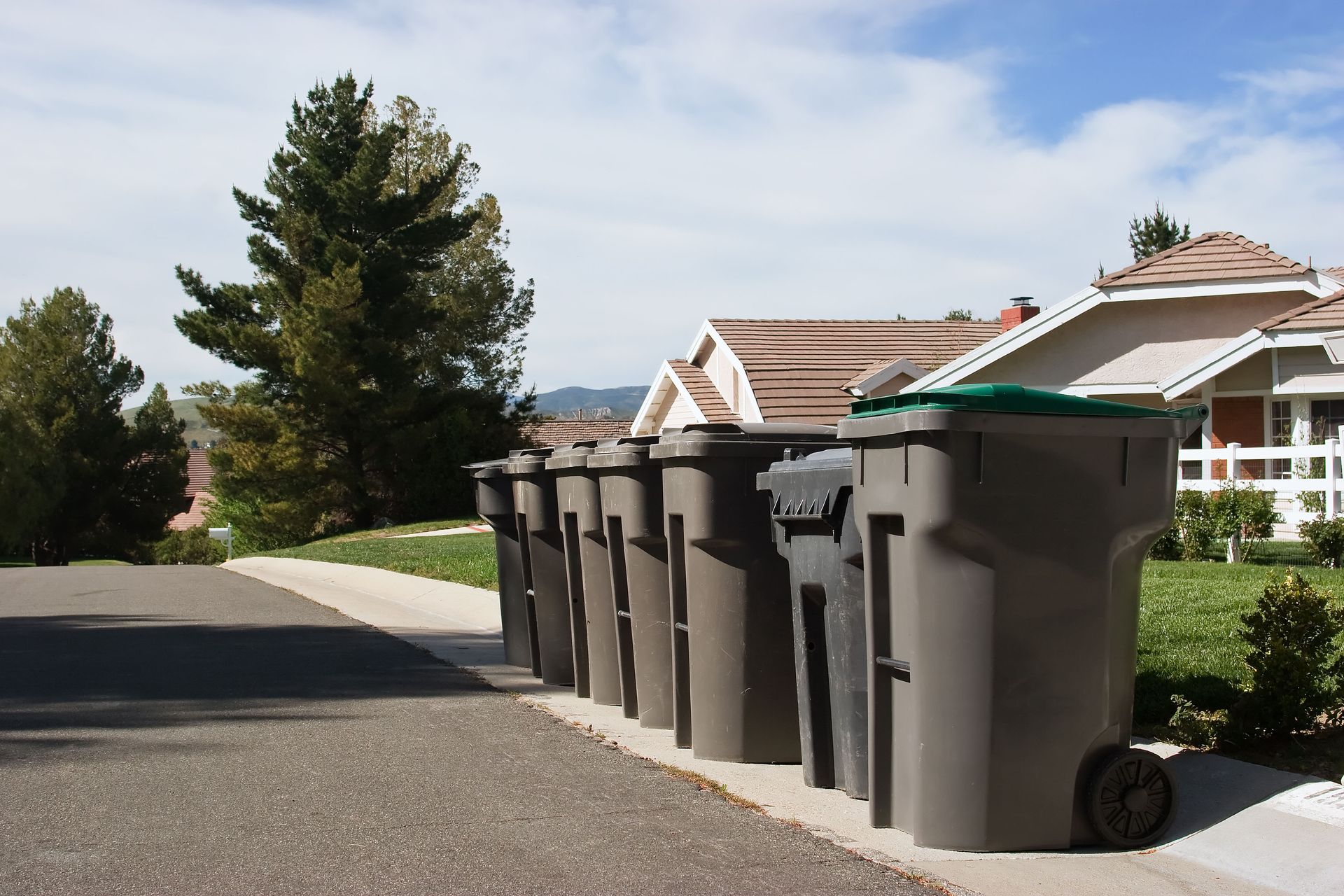
Some households also benefit from larger or animal-resistant containers that keep materials secure between pickups. This helps maintain separation and reduces the risk of cross-contamination caused by external factors.
Long-Term Habits That Reduce Contamination
Sustainable waste management depends on long-term behavior change rather than short-term effort. Once sorting becomes habitual, households naturally reduce errors and improve recycling outcomes without needing constant reminders.
Reinforcing small daily actions, such as checking labels and separating materials immediately after use, helps solidify these habits. Over time, these practices become automatic and require less conscious effort.
A trash pickup company often sees the greatest improvement in households that maintain consistent routines over months and years. These long-term habits contribute to a cleaner waste stream and more efficient recycling systems overall.
Effective waste sorting relies on clarity, consistency, and informed decision-making at the household level. When individuals understand how to separate materials correctly, the entire waste management process becomes more efficient and environmentally responsible.
Support from professional collection services further strengthens these efforts by reinforcing best practices and providing structure for daily waste disposal. Over time, these combined efforts lead to improved recycling outcomes and reduced contamination across the system.
If you're looking for a reliable trash pickup service to help you efficiently manage household waste, look no further than Pina Sanitation!


Share On: