What Will Garbage Removal Services Take as Recycling?
In many communities, recycling programs have expanded significantly as people become more aware of how everyday waste affects the environment. Proper sorting and recycling can help conserve resources, reduce landfill use, and lower energy consumption associated with manufacturing new materials. Understanding what qualifies as recyclable through garbage removal programs can make a major difference in keeping recycling systems efficient and effective. According to The Recycling Partnership, only 43% of US households participate in recycling, highlighting the importance of clear guidance and responsible habits. By learning what materials are typically accepted and which ones should be kept out of recycling bins, communities can support more sustainable waste management practices.
Sort Paper Products Properly for Recycling
Paper products remain one of the most widely accepted recyclable materials in many sanitation programs. Items such as newspapers, junk mail, magazines, envelopes, and paper bags are generally recyclable when they are clean and dry. These materials can be processed into new paper goods, helping reduce the demand for freshly harvested timber and lowering energy usage in paper manufacturing. Proper recycling of paper products through garbage removal programs allows valuable fibers to be reused multiple times before they eventually break down.
Corrugated cardboard boxes are another commonly accepted recyclable material. Flattening boxes before placing them in recycling containers helps maximize space in collection bins and transport vehicles. When handled correctly through garbage removal services, cardboard can be repurposed into new shipping materials, reducing waste and conserving raw resources.
Prepare Plastic Containers Before Recycling
Plastic bottles and containers make up a significant portion of residential recycling programs. Many sanitation providers accept plastic items labeled with recycling numbers one through seven, including soda bottles, juice containers, and milk jugs. These plastics can be melted down and reused in the production of new packaging, textiles, and household goods. Participating in proper plastic recycling through garbage removal programs helps reduce the demand for newly manufactured plastic materials.
Plastic lids and caps are sometimes accepted depending on local recycling guidelines, but it is generally safest to keep containers intact when placing them in recycling bins. Following community-specific recycling rules helps maintain the quality of recyclable materials. When residents understand how to properly prepare plastic containers, garbage removal services can process these items more effectively and keep valuable materials circulating within the recycling economy.
Rinse Metal Cans and Containers
Metal packaging is highly valuable in the recycling industry because it can be reused repeatedly without losing quality. Aluminum and tin cans are among the most commonly accepted recyclable items collected through curbside programs. Beverage cans, soup cans, and other similar containers can be processed and transformed into new products using far less energy than manufacturing metal from raw materials. Recycling these items through garbage removal programs helps conserve natural resources and reduce industrial energy consumption.
Empty steel aerosol cans are also typically accepted once they are completely empty. These containers are made from durable materials that can be melted down and repurposed during the recycling process. However, it is important that aerosol cans are fully depleted and contain no remaining pressure before being placed in recycling bins. As with other recyclables, cleanliness matters when recycling metal items. Rinsing cans before disposal helps prevent contamination of other materials and reduces unpleasant odors during collection and processing. By properly preparing metal recyclables, households can help garbage removal programs maintain efficient recycling operations and recover valuable materials that might otherwise end up in landfills.
Place Glass Bottles and Jars in Recycling
Glass is another material that can be recycled repeatedly without losing quality. Common household items such as wine bottles, beer bottles, and food jars are often accepted in recycling programs as long as they are emptied and rinsed. Recycling glass reduces the need for raw materials like sand and limestone while lowering the energy required to produce new containers. When collected through garbage removal services, these materials can be melted down and remade into new glass products.
However, not all glass items belong in recycling bins. Broken glass, window panes, mirrors, and lightbulbs often require specialized handling and are typically excluded from curbside recycling programs. By understanding the difference between recyclable glass containers and non-recyclable glass items, households can help garbage removal providers manage recycling more effectively.
Flatten Cardboard Boxes for Collection
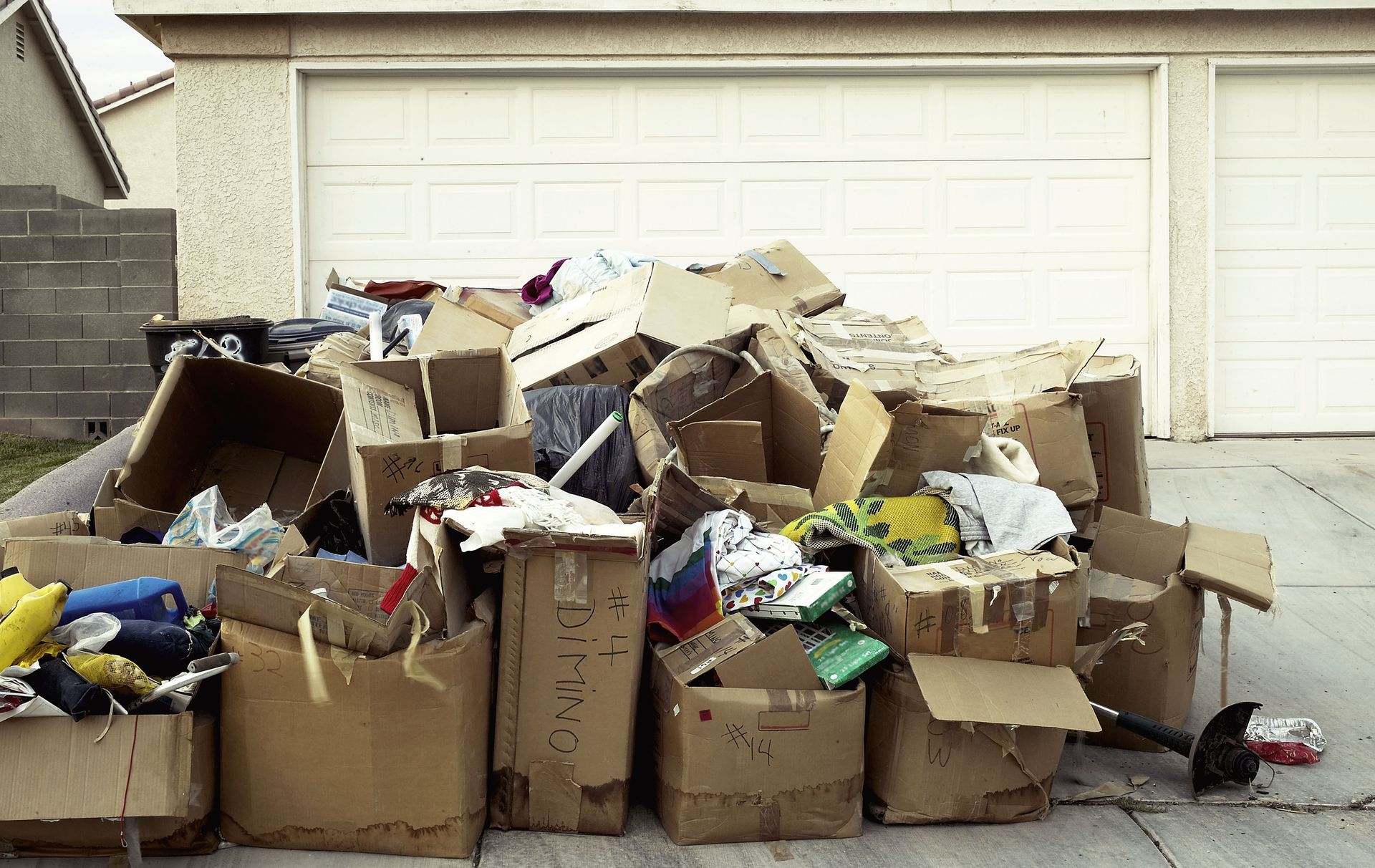
Cardboard is one of the most common recyclable materials generated by both households and businesses. Shipping boxes, moving boxes, and packaging materials are frequently accepted in recycling programs when they are clean and dry. Corrugated cardboard is particularly valuable because it can be recycled into new boxes and packaging materials with relative ease. Recycling cardboard through garbage removal services helps reduce the amount of waste sent to landfills while supporting the reuse of durable paper fibers.
Flattening cardboard boxes before placing them in recycling containers is an important step in the collection process. Flattened boxes take up significantly less space in recycling bins and trucks, allowing more material to be collected during each route. This simple step helps improve the efficiency of collection systems and reduces transportation costs.
It is also important to remove packing materials, plastic liners, or excessive tape whenever possible. Keeping cardboard clean ensures it can be processed properly at recycling facilities. When households prepare cardboard correctly, garbage removal services can transport and recycle these materials more efficiently, helping communities reduce waste and conserve resources.
Avoid Placing Non-Recyclable Items in Bins
While recycling programs accept many materials, certain items must be kept out of recycling bins to prevent contamination and safety risks. Food waste and food-soiled paper products, such as used paper plates or greasy boxes, are not suitable for recycling. These items can contaminate recyclable materials and disrupt processing systems, causing entire batches of recyclables to be discarded.
Plastic bags and film packaging also present challenges in recycling facilities. Items such as shopping bags, sandwich bags, and chip bags can become tangled in sorting equipment and interfere with processing machinery. For this reason, these materials are usually excluded from curbside recycling programs and should be disposed of through appropriate waste channels.
Additional items that are commonly prohibited include Styrofoam, hazardous materials like paint cans or motor oil containers, electronics, batteries, scrap metal, and yard waste. Certain household items such as pots, pans, mirrors, and broken glass are also typically excluded from recycling bins. By keeping these materials out of recycling containers, households help garbage removal services maintain cleaner recycling streams and ensure recyclable items can be processed successfully.
Responsible recycling habits play an important role in protecting the environment and supporting sustainable waste management practices. By understanding which materials are accepted and which should be excluded, households can help recycling programs operate more effectively and reduce unnecessary contamination. When communities follow proper sorting guidelines and participate consistently, recycling systems can recover more valuable materials and reduce landfill usage.
For residents and businesses seeking dependable waste and recycling solutions, our team at Pina Sanitation is here to help. As a family and locally owned company with over 58 years of experience, we provide residential and commercial sanitation services, recycling programs, roll-off containers, and metal recycling options throughout Barnstable, Yarmouth, Sandwich, and Mashpee. We take pride in helping our communities manage
garbage removal responsibly while making recycling easier for households and businesses. Contact Pina Sanitation today to learn more about our curbside and in-yard pickup options and how we can support your waste and recycling needs.

Share On: