How Trash Pickup Services Help Promote Recycling in Your Community

May 2, 2026

Recycling plays an essential role in building cleaner, healthier, and more sustainable communities. However, effective recycling does not happen on its own. It requires consistent systems, community participation, and reliable infrastructure that make proper waste management simple and accessible. This is where trash pickup services become a vital part of everyday life.


By offering organized waste collection and recycling programs, these services help ensure that recyclable materials are properly separated, collected, and processed. They remove confusion, reduce contamination, and create a streamlined experience for households and businesses alike. More importantly, they serve as a bridge between individual efforts and broader environmental impact.


Communities that invest in professional trash pickup services often see stronger recycling participation, improved waste diversion, and a cleaner overall environment. Understanding how these services support recycling efforts can help highlight their value and encourage greater community involvement.


Supporting Recycling Accessibility

One of the most important ways trash pickup services promote recycling is by making it accessible. When residents have easy access to recycling bins, scheduled pickups, and clear guidelines, they are more likely to participate consistently. Accessibility removes barriers and encourages habits that become part of daily routines.


Without organized services, recycling can feel inconvenient or confusing. People may be unsure where to take materials or how to sort them properly. Trash pickup services simplify the process by providing designated containers and clear instructions, making it easier for households to separate recyclables from general waste.


Convenient curbside pickup also eliminates the need for individuals to transport materials themselves. This level of ease increases participation and ensures that more recyclable items are diverted from landfills. By reducing effort and uncertainty, these services create an environment where recycling becomes second nature.


Improving Waste Sorting Systems

Proper sorting is critical for successful recycling, and trash pickup services play a key role in maintaining organized systems. They provide standardized processes that help ensure materials are separated correctly, reducing contamination and improving the efficiency of recycling facilities.


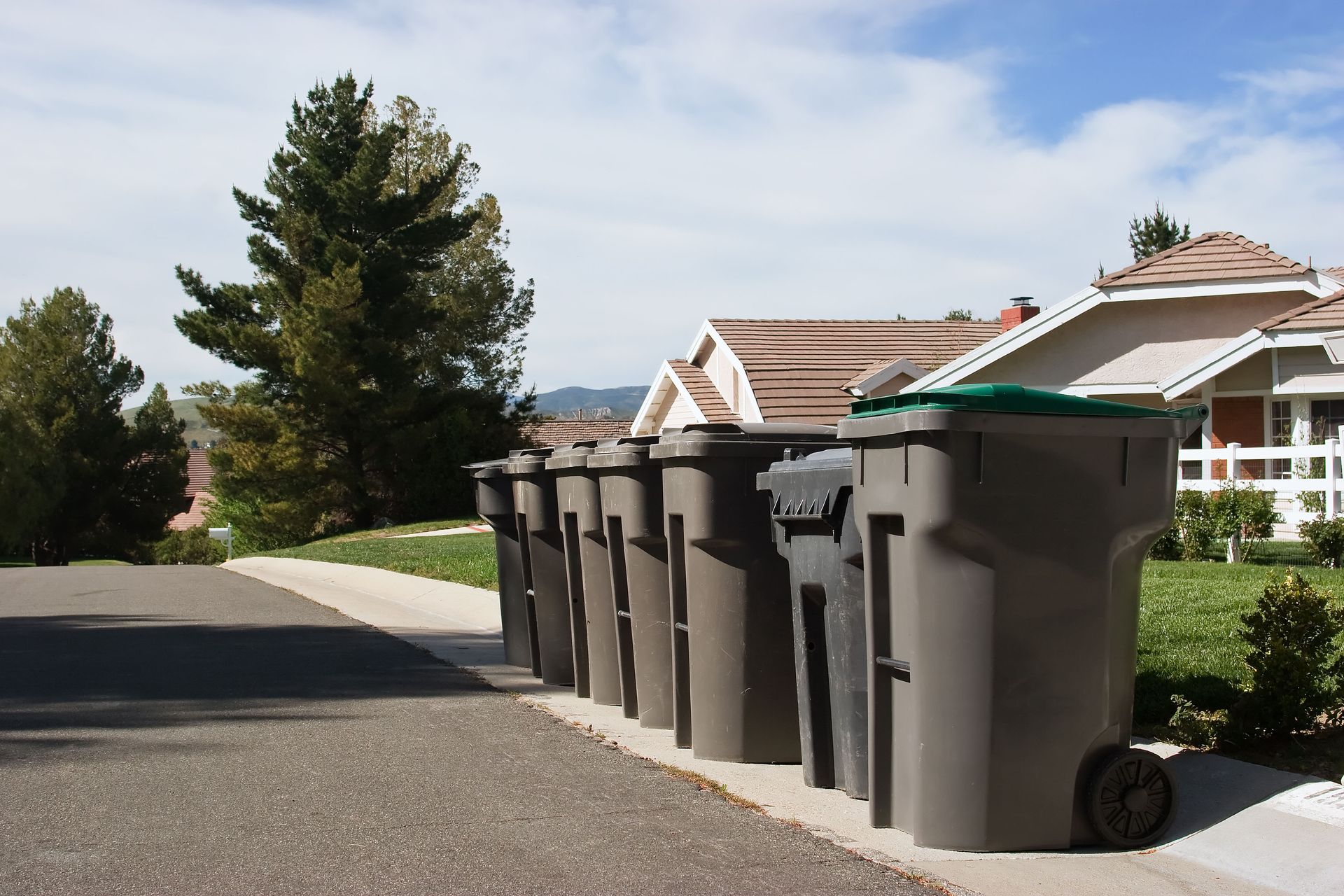
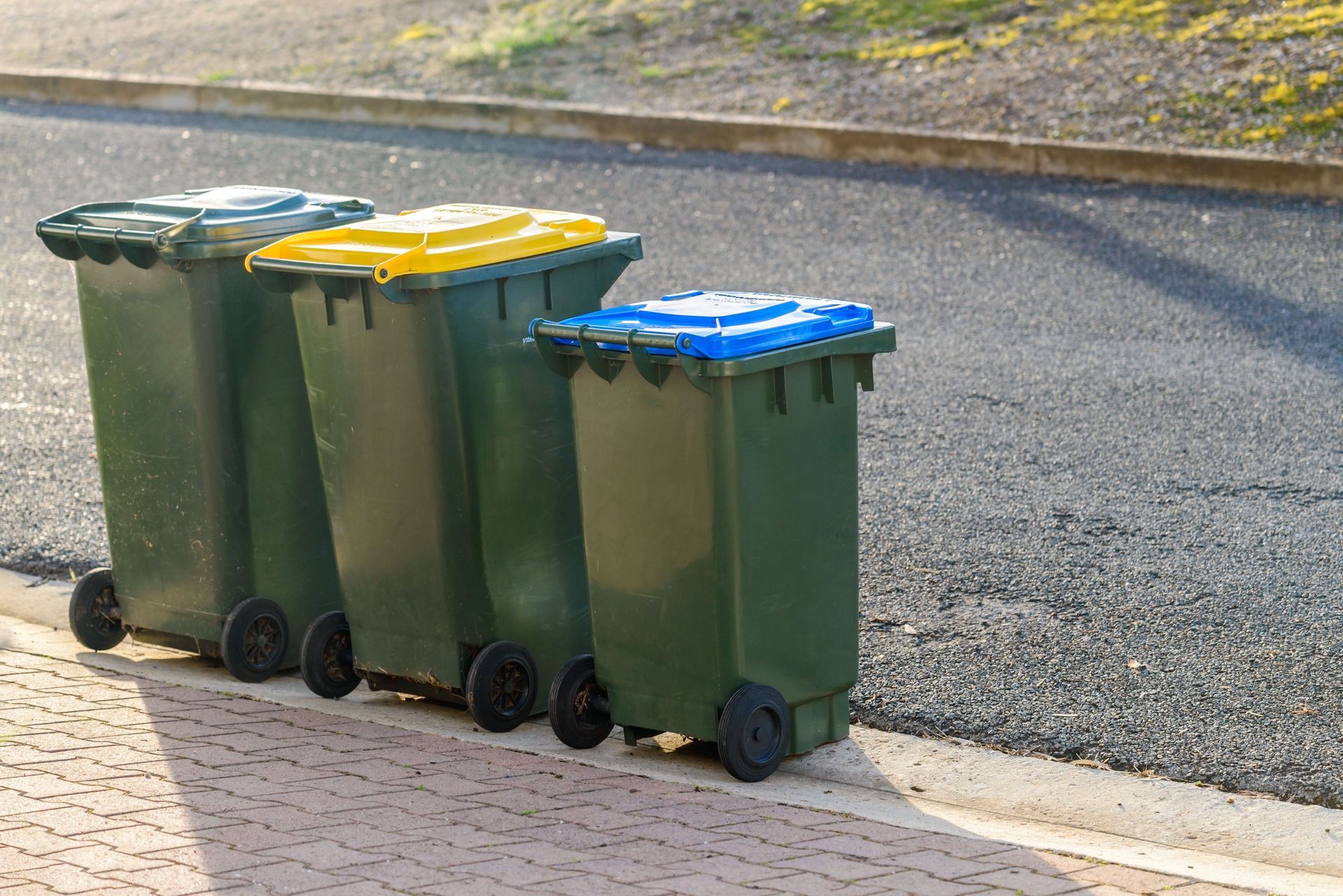
Clear labeling, color-coded bins, and consistent collection schedules all contribute to better sorting practices. When communities follow these systems, recyclable materials are more likely to be processed correctly and reused effectively. This reduces the risk of entire batches being discarded due to contamination.


In addition, many trash pickup services offer guidance on what can and cannot be recycled. This education helps residents avoid common mistakes and supports cleaner recycling streams. Over time, improved sorting leads to higher-quality materials that can be repurposed into new products.


Educating Communities on Recycling Practices

Education is a powerful tool in promoting recycling, and trash pickup services often take an active role in informing the public. Through outreach programs, informational materials, and community engagement, they help residents understand the importance of recycling and how to do it properly.


Many people want to recycle but are unsure about the details. Questions about acceptable materials, preparation requirements, and disposal methods can create hesitation. Trash pickup services address these concerns by providing clear and consistent information.


According to The Recycling Partnership, only 43% of U.S. households participate in recycling, highlighting the need for better education and outreach. By offering guidance and resources, trash pickup services can help increase participation and encourage more households to take part in sustainable practices.


Community education initiatives may include workshops, digital campaigns, or simple reminders included with service updates. These efforts reinforce positive behaviors and help create a culture of environmental responsibility.


Reducing Environmental Impact Through Collection

Efficient waste collection has a direct impact on the environment, and trash pickup services play a central role in reducing overall waste. By ensuring that recyclable materials are properly collected and processed, they help minimize the amount of waste sent to landfills.


Landfills contribute to pollution, greenhouse gas emissions, and long-term environmental challenges. Diverting recyclable materials reduces these impacts and conserves natural resources. Trash pickup services make this possible by maintaining consistent collection schedules and reliable operations.

In addition, professional waste management services often use optimized routes and modern equipment to improve efficiency. This helps reduce fuel consumption and emissions associated with collection, further supporting environmental goals.


By managing waste responsibly, trash pickup services contribute to cleaner air, healthier ecosystems, and a more sustainable future for communities. This comprehensive approach to waste management helps protect natural resources while supporting long-term environmental balance.


Encouraging Long-Term Sustainable Habits

Recycling is most effective when it becomes a consistent habit, and trash pickup services help reinforce these behaviors over time. Regular pickup schedules and clear expectations create a routine that encourages ongoing participation.


When residents know when to set out their recycling and understand the process, it becomes part of their weekly rhythm. This consistency builds awareness and reinforces the importance of proper waste management.


Trash pickup services also help normalize recycling within the community. Seeing neighbors participate and having access to the same systems creates a shared sense of responsibility. This collective effort strengthens community engagement and promotes long-term sustainability.


Over time, these habits extend beyond recycling and influence other environmentally conscious behaviors. Communities that prioritize waste management often adopt additional practices that support conservation and resource efficiency.


Strengthening Community Cleanliness and Appeal

A clean community is more than just visually appealing—it reflects a commitment to health, safety, and environmental responsibility. Trash pickup services play a key role in maintaining this standard by ensuring that waste and recyclables are managed effectively.


When recycling systems are in place and functioning properly, there is less overflow, fewer improperly disposed materials, and reduced litter. This creates a more organized and attractive environment for residents and visitors alike.


Clean communities also support property values and contribute to a positive sense of pride among residents. People are more likely to take care of their surroundings when they see consistent efforts to maintain cleanliness.


Trash pickup services help establish this standard by providing reliable waste management solutions that keep neighborhoods looking their best. Their role extends beyond collection, contributing to the overall quality of life within the community. By maintaining consistent service and supporting responsible disposal practices, they help create a cleaner, healthier environment that residents can take pride in every day.


Recycling is a shared responsibility that depends on both individual actions and community infrastructure. Trash pickup services provide the structure needed to make recycling accessible, efficient, and sustainable. Through organized collection, education, and consistent support, they help communities reduce waste and protect the environment.


By encouraging participation, improving sorting systems, and promoting long-term habits, these services play an essential role in building a culture of sustainability. Their impact can be seen not only in cleaner neighborhoods but also in the preservation of natural resources and the reduction of environmental harm.


As communities continue to prioritize sustainability, the role of trash pickup services will remain vital. Their ability to connect everyday actions with meaningful environmental outcomes ensures that recycling remains a practical and effective solution for the future. This ongoing support helps foster a stronger sense of accountability and encourages more residents to actively participate in sustainable waste management practices.


At Pina Sanitation, we understand the importance of reliable waste management in supporting a cleaner and more sustainable community. We provide dependable trash pickup services designed to make recycling simple, efficient, and accessible for every household. With our commitment to consistency and environmental responsibility, we help ensure that recyclable materials are handled properly and that our community continues to thrive.
junk pick up
August 24, 2026
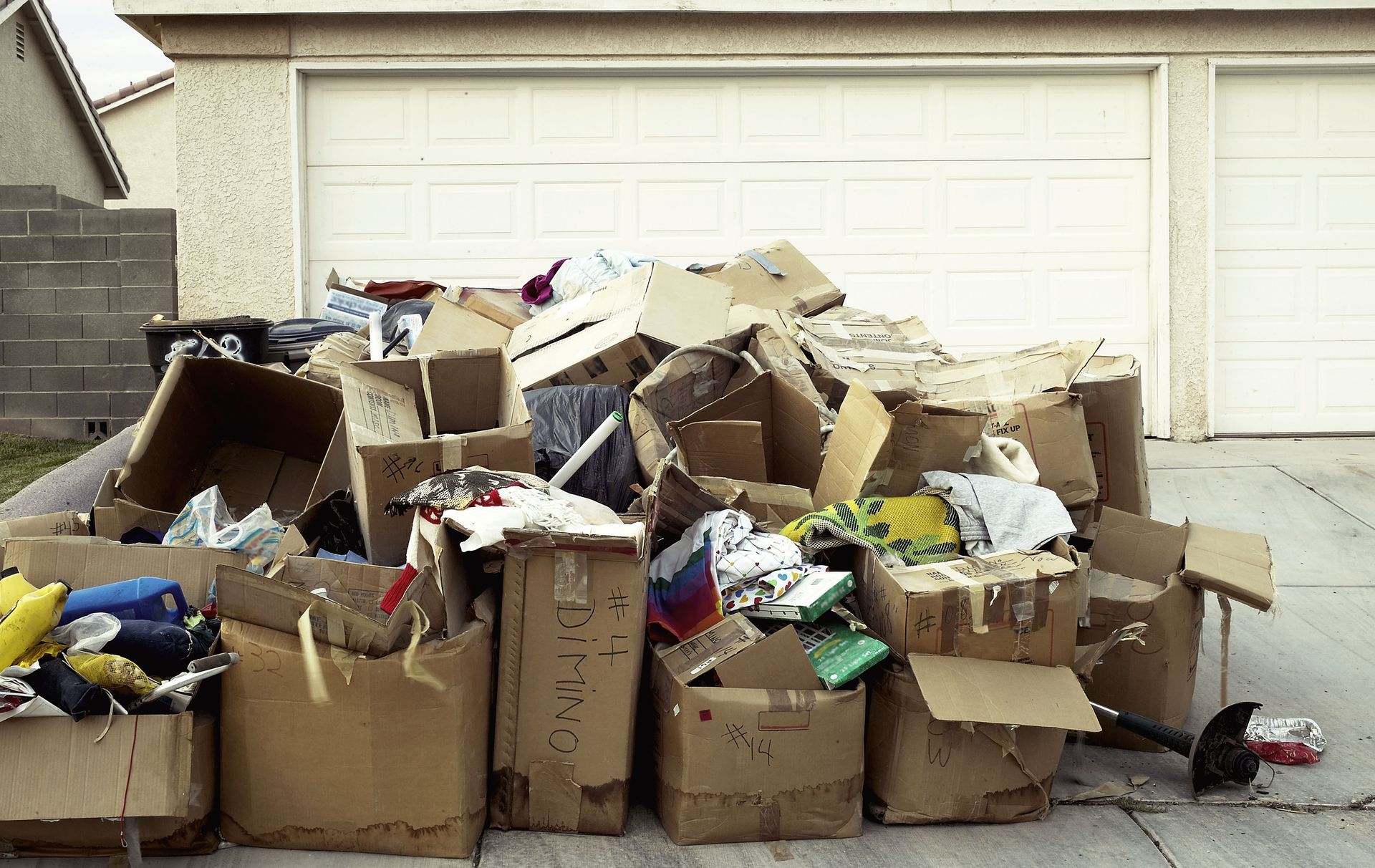
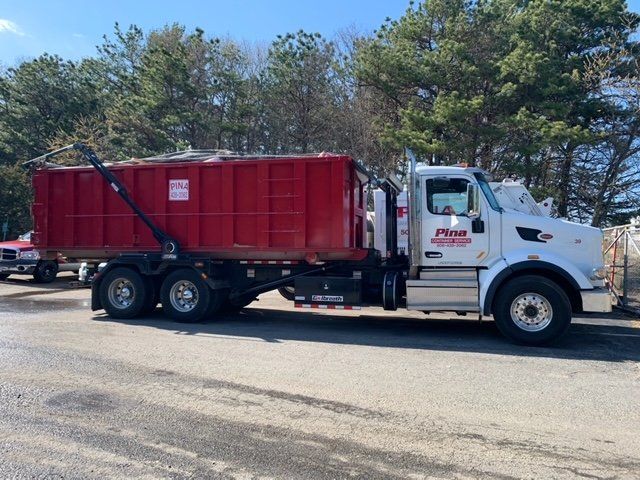
Most property owners breathe a deep sigh of relief the moment a large haul truck drives away down the street. Watching clutter vanish from driveways, attics, and garages feels instantly liberating. Yet very few people stop to consider what actually happens to those discarded couches, broken appliances, stacks of cardboard, and mystery boxes once they disappear around the corner. The common assumption is that everything gets dumped straight into a massive pit in the ground, but modern junk pick up operates with far more intention and complexity. Professional haulers do not simply haul unwanted belongings to the nearest landfill. Instead, your discarded goods embark on a multi-stage journey of sorting, repurposing, processing, and environmental management. Understanding this behind-the-scenes lifecycle reveals how professional services help protect natural ecosystems while supporting local communities. Managing discarded material responsibly is crucial because, according to RTS, the US produces 728,000 tons of waste per day (over 4.9 pounds per person/day). Here is a detailed look at where your unwanted belongings go after scheduled junk pick up services arrive at your doorstep. Sorting Materials at Transfer Stations The initial destination after a routine junk pick up is rarely a final disposal site. Instead, trucks travel to centralized transfer stations or dedicated sorting facilities. These bustling hubs act as central processing networks where specialized teams assess every single load. Workers systematically unpack truck beds to categorize items based on material composition, overall physical condition, and potential reusability. During this initial stage, crew members separate raw materials like untreated wood, scrap metal, corrugated cardboard, rigid plastics, and electronic components into distinct containment bays. Organic material like yard debris gets isolated for composting programs, while hazardous items like household chemicals, oil-based paints, and lithium batteries are separated to prevent environmental contamination. Sorting at transfer stations ensures that mixed loads do not simply end up buried together indiscriminately, laying the essential groundwork for sustainable waste diversion. Donating Usable Household Goods A surprising portion of what people discard remains in functional or easily repairable condition. Responsible hauling services work closely with non-profit organizations, regional charities, thrift stores, and community shelters to give gently used items a second lifecycle. Furniture, working appliances, clothing, sports equipment, and household tools often find new homes with families in need rather than occupying space in regional waste sites. When haulers identify items suitable for donation, they set them aside for direct distribution to local charity partners. Tables, chairs, and dressers may be polished up or structurally reinforced before reaching community donation centers. Clothing and books are directed to local outreach facilities. This practice keeps functional goods in active circulation, supporting charitable causes and strengthening community welfare while significantly reducing unnecessary material destruction. Recycling Raw Structural Materials Items that are too worn or damaged for donation move into specialized recycling streams. Modern recycling technology processes far more than everyday aluminum cans and plastic bottles. Large appliances, old mattresses, construction materials, and discarded electronics undergo deep material extraction to recover valuable raw components. Metal items, such as old refrigerators, metal bed frames, or rusty lawn mowers, are sent to scrap yards where powerful machinery shreds them into compact raw materials. These metals are melted down and repurposed into new consumer goods. Broken wooden pallets, timber scraps, and old furniture frames are often processed through industrial wood chippers, converting scrap timber into garden mulch, biofuel, or particleboard. Even old mattresses—often considered pure trash—are carefully disassembled so that steel springs, foam padding, and cotton layers can be reprocessed separately into industrial padding, carpet underlayment, and new steel products. Processing Complex Electronic Equipment Old televisions, outdated computers, printers, and broken smartphones require specialized handling known as e-waste processing. Throwing electronics into ordinary trash bins releases harmful heavy metals, including lead, mercury, and cadmium, into surrounding soil and groundwater systems. Specialized recycling protocols ensure that electronic waste is handled with extreme environmental care. At dedicated electronics recycling facilities, technicians disassemble devices to extract precious metals like gold, silver, copper, and palladium embedded in circuit boards. Plastic casings are separated and melted into raw industrial resin, while glass screens undergo treatment to safely remove toxic coatings. Arranging a professional junk pick up ensures that old office gear and home electronics are diverted away from vulnerable natural habitats and processed according to strict environmental safety guidelines. Converting Non-Recyclable Waste into Energy Not every item collected from a residential or commercial property can be donated or recycled into raw materials. Highly degraded items, composite plastics, soiled textiles, and mixed trash often lack viable recycling outlets. However, advanced waste management systems frequently divert these residual materials away from traditional landfills through energy recovery processes. Waste-to-energy facilities incinerate non-recyclable refuse at extremely high temperatures inside specialized combustion chambers. The immense thermal energy generated by this controlled burning boils water into high-pressure steam, which turns heavy turbine generators to produce clean electricity for regional power grids. Advanced filtration systems and scrubbers capture airborne pollutants, neutralizing toxic gases and ash before air is released. This process reduces physical waste volume immensely while producing useful electrical power for local neighborhoods. Securing Final Landfill Disposal Landfill disposal serves as the final option after every single opportunity for donation, raw material recycling, electronic recovery, and energy conversion has been exhausted. Modern sanitary landfills are far different from open dumps of the past; they are highly engineered environmental containment systems designed to protect surrounding ecosystems. When residual waste arrives at a landfill, operators spread and compact the material into tight, organized layers using heavy machinery. Daily soil covers prevent odors, control pests, and minimize windblown debris. Synthetic bottom liners capture liquid runoff, directing it to treatment facilities, while subterranean pipe systems capture methane gas produced by decomposing organic matter, converting it into pipeline-grade natural gas or power plant fuel. Proper final disposal guarantees that non-recoverable waste remains safely isolated from surrounding natural environments. Transforming Environmental Waste Habits Understanding the journey your unwanted items take highlights the critical importance of choosing responsible disposal methods. Scheduling a professional junk pick up does far more than clear clutter from your living rooms, attics, and work yards—it directly feeds a sophisticated material recovery network that values sustainability, community charity, and environmental protection. Every time you choose organized removal over careless dumping, you participate in a larger eco-friendly ecosystem. Functional goods reach local families who need them, metals and wood find new life in manufacturing facilities, complex electronics yield valuable minerals safely, and residual waste is harvested for electrical power. The next time you clear out a garage, basement, or commercial building, take comfort in knowing that your discarded items undergo a thoughtful transformation that respects natural resources. By partnering with dedicated professionals who prioritize sustainable diversion, property owners play an active role in building cleaner, healthier communities. Choosing responsible junk pick up prevents unnecessary environmental degradation, supports charitable organizations across regional neighborhoods, and ensures that valuable raw materials continue circulating through productive industrial manufacturing streams. Restoring order to overcrowded garages, cluttered basements, and busy commercial properties creates safer, more inspiring surroundings for work and daily living. Taking this proactive step gives peace of mind, knowing that discarded belongings will receive thoughtful processing through proper donations, advanced recycling, or secure disposal methods. When you are ready to reclaim your living space and clear away unwanted clutter, contact us at Pina Sanitation to schedule your next junk pick up and ensure your items are handled with responsible care.
trash pickup company
June 12, 2026
Learn practical waste-sorting tips to reduce recycling contamination, improve household habits, and support a more efficient trash pickup company service.
garbage removal
March 19, 2026
Learn what garbage removal services will often take for recycling and how to prepare or clean the items so they are able to be recycled properly.
trash services
January 20, 2026
Looking for a company to handle your trash services? Learn the key questions to ask trash service companies so you can choose the right service for your needs.
garbage removal
May 28, 2025
Managing waste is crucial for maintaining a clean home and a healthy environment. Here are three tips for proper garbage removal.
garbage removal company
October 16, 2023
There are a few things to consider when you choose a garbage removal company. Keep reading or contact us today to learn more.
local trash service
May 10, 2023
Check out our post to learn about a few reasons to take advantage of recycling services. If you need a local trash service, contact us.