August 24, 2026
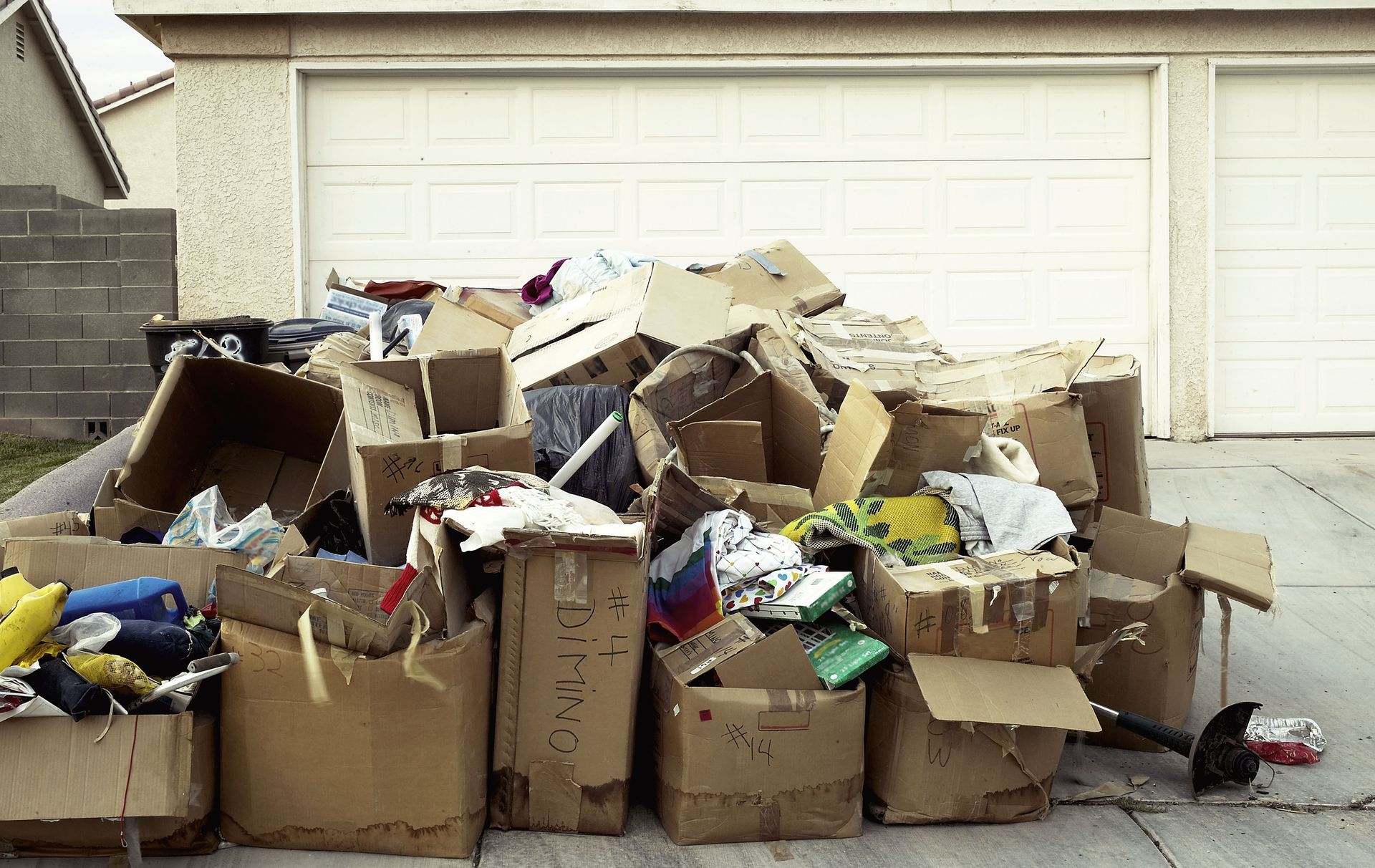
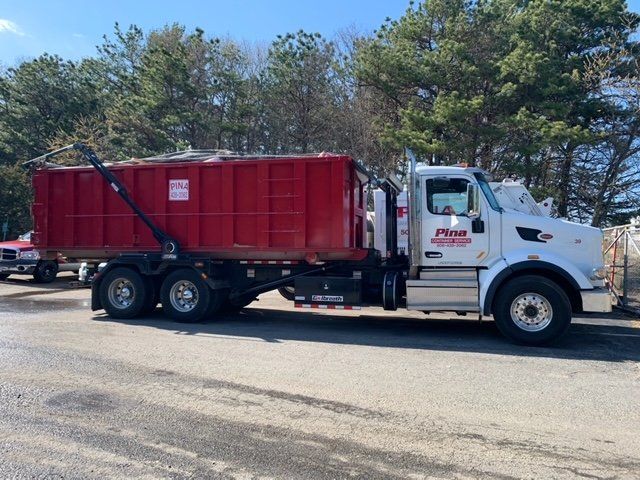
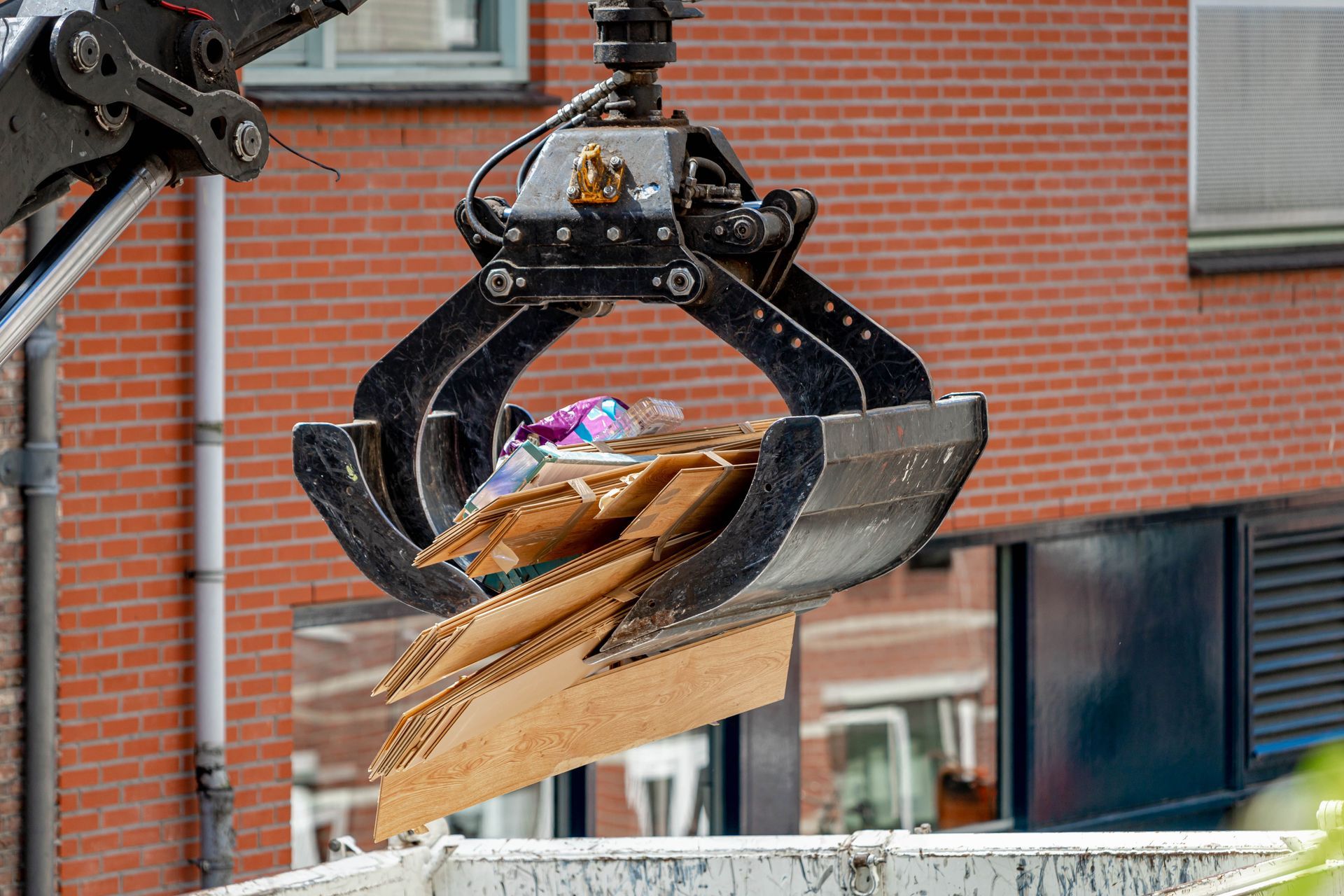
Most property owners breathe a deep sigh of relief the moment a large haul truck drives away down the street. Watching clutter vanish from driveways, attics, and garages feels instantly liberating. Yet very few people stop to consider what actually happens to those discarded couches, broken appliances, stacks of cardboard, and mystery boxes once they disappear around the corner. The common assumption is that everything gets dumped straight into a massive pit in the ground, but modern junk pick up operates with far more intention and complexity. Professional haulers do not simply haul unwanted belongings to the nearest landfill. Instead, your discarded goods embark on a multi-stage journey of sorting, repurposing, processing, and environmental management. Understanding this behind-the-scenes lifecycle reveals how professional services help protect natural ecosystems while supporting local communities. Managing discarded material responsibly is crucial because, according to RTS, the US produces 728,000 tons of waste per day (over 4.9 pounds per person/day). Here is a detailed look at where your unwanted belongings go after scheduled junk pick up services arrive at your doorstep. Sorting Materials at Transfer Stations The initial destination after a routine junk pick up is rarely a final disposal site. Instead, trucks travel to centralized transfer stations or dedicated sorting facilities. These bustling hubs act as central processing networks where specialized teams assess every single load. Workers systematically unpack truck beds to categorize items based on material composition, overall physical condition, and potential reusability. During this initial stage, crew members separate raw materials like untreated wood, scrap metal, corrugated cardboard, rigid plastics, and electronic components into distinct containment bays. Organic material like yard debris gets isolated for composting programs, while hazardous items like household chemicals, oil-based paints, and lithium batteries are separated to prevent environmental contamination. Sorting at transfer stations ensures that mixed loads do not simply end up buried together indiscriminately, laying the essential groundwork for sustainable waste diversion. Donating Usable Household Goods A surprising portion of what people discard remains in functional or easily repairable condition. Responsible hauling services work closely with non-profit organizations, regional charities, thrift stores, and community shelters to give gently used items a second lifecycle. Furniture, working appliances, clothing, sports equipment, and household tools often find new homes with families in need rather than occupying space in regional waste sites. When haulers identify items suitable for donation, they set them aside for direct distribution to local charity partners. Tables, chairs, and dressers may be polished up or structurally reinforced before reaching community donation centers. Clothing and books are directed to local outreach facilities. This practice keeps functional goods in active circulation, supporting charitable causes and strengthening community welfare while significantly reducing unnecessary material destruction. Recycling Raw Structural Materials Items that are too worn or damaged for donation move into specialized recycling streams. Modern recycling technology processes far more than everyday aluminum cans and plastic bottles. Large appliances, old mattresses, construction materials, and discarded electronics undergo deep material extraction to recover valuable raw components. Metal items, such as old refrigerators, metal bed frames, or rusty lawn mowers, are sent to scrap yards where powerful machinery shreds them into compact raw materials. These metals are melted down and repurposed into new consumer goods. Broken wooden pallets, timber scraps, and old furniture frames are often processed through industrial wood chippers, converting scrap timber into garden mulch, biofuel, or particleboard. Even old mattresses—often considered pure trash—are carefully disassembled so that steel springs, foam padding, and cotton layers can be reprocessed separately into industrial padding, carpet underlayment, and new steel products. Processing Complex Electronic Equipment Old televisions, outdated computers, printers, and broken smartphones require specialized handling known as e-waste processing. Throwing electronics into ordinary trash bins releases harmful heavy metals, including lead, mercury, and cadmium, into surrounding soil and groundwater systems. Specialized recycling protocols ensure that electronic waste is handled with extreme environmental care. At dedicated electronics recycling facilities, technicians disassemble devices to extract precious metals like gold, silver, copper, and palladium embedded in circuit boards. Plastic casings are separated and melted into raw industrial resin, while glass screens undergo treatment to safely remove toxic coatings. Arranging a professional junk pick up ensures that old office gear and home electronics are diverted away from vulnerable natural habitats and processed according to strict environmental safety guidelines. Converting Non-Recyclable Waste into Energy Not every item collected from a residential or commercial property can be donated or recycled into raw materials. Highly degraded items, composite plastics, soiled textiles, and mixed trash often lack viable recycling outlets. However, advanced waste management systems frequently divert these residual materials away from traditional landfills through energy recovery processes. Waste-to-energy facilities incinerate non-recyclable refuse at extremely high temperatures inside specialized combustion chambers. The immense thermal energy generated by this controlled burning boils water into high-pressure steam, which turns heavy turbine generators to produce clean electricity for regional power grids. Advanced filtration systems and scrubbers capture airborne pollutants, neutralizing toxic gases and ash before air is released. This process reduces physical waste volume immensely while producing useful electrical power for local neighborhoods. Securing Final Landfill Disposal Landfill disposal serves as the final option after every single opportunity for donation, raw material recycling, electronic recovery, and energy conversion has been exhausted. Modern sanitary landfills are far different from open dumps of the past; they are highly engineered environmental containment systems designed to protect surrounding ecosystems. When residual waste arrives at a landfill, operators spread and compact the material into tight, organized layers using heavy machinery. Daily soil covers prevent odors, control pests, and minimize windblown debris. Synthetic bottom liners capture liquid runoff, directing it to treatment facilities, while subterranean pipe systems capture methane gas produced by decomposing organic matter, converting it into pipeline-grade natural gas or power plant fuel. Proper final disposal guarantees that non-recoverable waste remains safely isolated from surrounding natural environments. Transforming Environmental Waste Habits Understanding the journey your unwanted items take highlights the critical importance of choosing responsible disposal methods. Scheduling a professional junk pick up does far more than clear clutter from your living rooms, attics, and work yards—it directly feeds a sophisticated material recovery network that values sustainability, community charity, and environmental protection. Every time you choose organized removal over careless dumping, you participate in a larger eco-friendly ecosystem. Functional goods reach local families who need them, metals and wood find new life in manufacturing facilities, complex electronics yield valuable minerals safely, and residual waste is harvested for electrical power. The next time you clear out a garage, basement, or commercial building, take comfort in knowing that your discarded items undergo a thoughtful transformation that respects natural resources. By partnering with dedicated professionals who prioritize sustainable diversion, property owners play an active role in building cleaner, healthier communities. Choosing responsible junk pick up prevents unnecessary environmental degradation, supports charitable organizations across regional neighborhoods, and ensures that valuable raw materials continue circulating through productive industrial manufacturing streams. Restoring order to overcrowded garages, cluttered basements, and busy commercial properties creates safer, more inspiring surroundings for work and daily living. Taking this proactive step gives peace of mind, knowing that discarded belongings will receive thoughtful processing through proper donations, advanced recycling, or secure disposal methods. When you are ready to reclaim your living space and clear away unwanted clutter, contact us at Pina Sanitation to schedule your next junk pick up and ensure your items are handled with responsible care.



Share On: